
Exploring the Thrills of DiamondExplosionTango: An In-depth Look at the Game and the SLOTPH Club
Dive into the exhilarating world of DiamondExplosionTango, a game that combines strategy, excitement, and the allure of the SLOTPH club.


Jueteng, a popular yet illegal numbers game, has long been ingrained in Filipino culture. Beyond its basic role as a gambling activity, Jueteng serves as a social adhesive in many communities across the country. This deep-seated traditional activity often sparks debates about legality, morality, and cultural identity in the Philippines.
At its core, Jueteng is a simple lottery game. Participants select two numbers from 1 to 37, with winning combinations drawn twice daily. Its allure lies in the low cost of entry and the potential for significant winnings relative to the small bets placed.
Unlike modern digital lotteries, Jueteng's operations are largely manual, often informal, and deeply rooted in personal networks rather than institutional setups. Collectors, or kubrador, are essential to the Jueteng ecosystem, facilitating the game within their communities by gathering bets and distributing winnings. Similarly, game results are often announced through community-specific communication channels rather than official broadcasts, contributing to a sense of local ownership and participation.
Despite its informal nature, Jueteng is anything but unorganized. A hierarchical structure underpins its operations - from bet collectors at the grassroots level to coordinators who ensure the smooth collection and distribution of money. At the top, figures known as jueteng lords wield significant power, influencing not only the game but also local economic and political landscapes.
This shadowy organization often operates with a degree of impunity owing to widespread de-facto acceptance and sometimes even covert support from local officials. The business model relies heavily on trust and local knowledge, further cementing Jueteng as more than just a game but a deeply interwoven societal tradition.
SLOTPH club, known for its involvement in legalized gaming solutions, often finds itself juxtaposed against the backdrop of traditional gaming practices like Jueteng. While the SLOTPH club operates within the bounds of Philippine gambling laws, providing regulated and digitalized games, Jueteng exists outside this legal framework, highlighting the complexities facing gambling regulation efforts in the country.
Efforts to integrate such cultural practices into the mainstream regulatory framework present unique challenges and opportunities. Institutions like SLOTPH club exemplify how legalized gaming can offer an alternative, potentially guiding practices like Jueteng into more regulated and transparent transactions that could benefit broader community development and public welfare.
Jueteng's persistence underscores an essential paradox in Filipino society: the ongoing tension between legal enforcement and cultural acceptance. Despite repeated government efforts to eradicate it, Jueteng thrives due to wide public acceptance and the economic utility it provides to its participants. For many, Jueteng is more than a game; it acts as an economic equalizer, offering a chance of financial windfall to those living in poverty.jili.host
Moreover, societal attitudes towards authorities often contribute to Jueteng's survival. Distrust in governmental institutions can lead communities to view Jueteng as a more reliable source of economic opportunity compared to state pledges of development and aid.
The economic impact of Jueteng extends far beyond immediate cash prizes. It creates a significant cash flow within communities, benefitting various players in the chain from bettors to coordinators. This liquidity often provides financial support structures otherwise inaccessible through formal channels.echo33
However, Jueteng's economy isn't without its drawbacks. The lack of regulation means proceeds often remain untaxed, deviating potential funds from public coffers. Matching this with its need for protection and covert operations, Jueteng can sometimes corrode local governance structures, presenting both moral and ethical challenges alongside its economic implications.
Understanding the implications and leverage points for potential transformation or regulation of practices like Jueteng remains a pressing challenge. With modern gaming entities like the SLOTPH club pioneering electronic and regulated gaming, there is an evolving landscape that orchestrators of traditional practices might adapt to.PH 22
The future of Jueteng lies at an intersection of regulation, culture, and innovation. A potential harmonization effort could see Jueteng's cultural value preserved while aligning its operation with Filipino laws. Such strides are not just a legal necessity but a cultural imperative, bridging the space between tradition and modernity.
Jueteng represents not only a gambling game but a vibrant part of Filipino social fabric. An exploration into its dynamics reveals much about Philippine society, offering insights into the struggles and strengths of its people. Jueteng, much like the country itself, is a tapestry of contradictions—illegal yet beloved, informal yet organized, separated yet deeply rooted in community identity.SuperLuckyClub
WINDREAM PH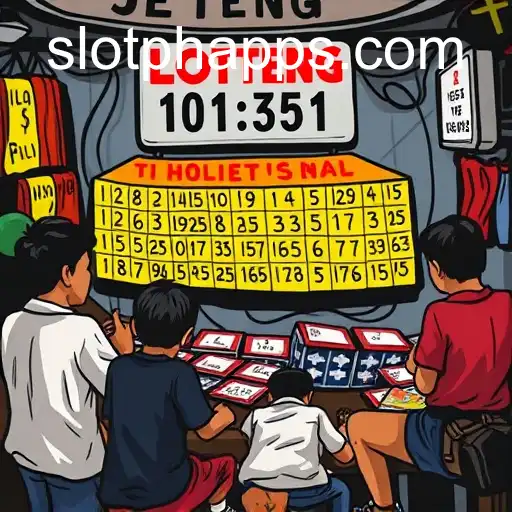
If you're looking for a reliable, fully licensed, and secure sportsbook with a wide selection of games, SLOTPH club is the perfect choice. We're committed to providing you with the best online betting experience, with premium quality, excellent service, and continuous innovation. Sign up now and receive ₱777 for free!
Join now
Get the latest information, experience and betting strategies from the expert team at SLOTPH club.
Dive into the exhilarating world of DiamondExplosionTango, a game that combines strategy, excitement, and the allure of the SLOTPH club.

Dive into the captivating universe of OlympianTemple, the thrilling game sensation taking the SLOTPH club community by storm. Explore its enchanting gameplay, intricate rules, and experience the divine thrill as the ancient myths come alive.

Explore the captivating world of FlirtingScholar, a game that combines strategic gameplay with historical themes. Learn about its unique features, rules, and how it resonates with current trends in the gaming community.

Explore the thrilling world of MadHitSavannah, a captivating game that combines wildlife charm with action-packed gameplay, offered by the renowned SLOTPH club.

Explore the exhilarating world of ShaolinSoccer, a game that perfectly blends the thrills of soccer with the discipline of martial arts, enticing both sports enthusiasts and gaming aficionados. Learn about its features, rules, and the emerging trends in the gaming community.

Unveiling the newly launched game OoGaChaKa and its captivating features for the SLOTPH club
 Join now